
Latest News


Woven Through Art

The Hopi people of northeastern Arizona carry a profound artistic tradition that’s inseparable from their worldview—where spirituality, land, community and craft intersect. For the visitor to a gallery showcasing Hopi art, the experience is not only aesthetic but also cultural: each object is embedded with meaning, technique, and lineage. Through this content we’ll explore how Hopi art is created, what it signifies, and how it continues to evolve.

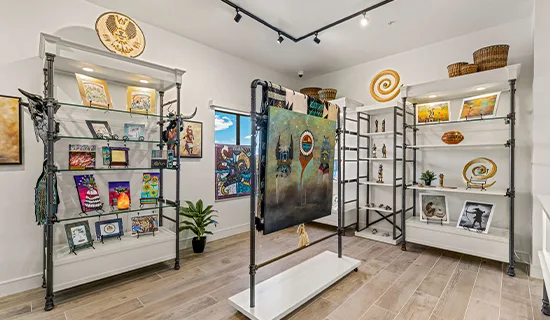
Tsor’ovi Art Gallery takes its name from the ancestral Hopi village of Tsor’ovi, located near Tuzigoot.
The Hopi people have called this land home since ancient times, long before it became a national monument. The gallery honors those origins — the Bluebird Clan’s migrations and the enduring spirit of Hopi creativity that continues to this day.
Every artist represented here brings forward both heritage and innovation, ensuring that the Hopi story remains vibrant and shared with future generations.

Major Art Forms

Below are some of the key artistic media for the Hopi, each with its own history, technique, and meaning.

Pottery

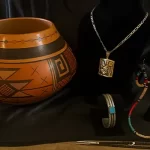
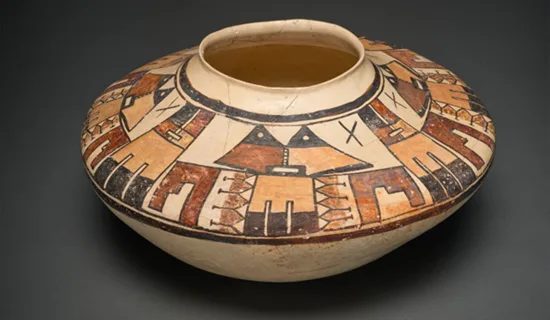
Hopi potters trace their craft back centuries. Ancestors known as the Hisatsinom (commonly “Anasazi” in older literature) were making gray‐ware pots as early as A.D. 700. NAU+1

Traditional Hopi pottery is produced without a wheel or moulds: clay is hand-dug, processed, built up by the coil‐and‐scrape technique, then painted with slips and natural pigments applied via yucca-leaf brushes, and finally fired in open-air pits. NAU+1

A key moment in revival occurred when excavations at Sikyátki (on First Mesa) revealed exquisite polychrome pottery, inspiring artists like Nampeyo to revive historic designs in the late 19th / early 20th century. Wikipedia+1

In the modern era, Hopi potters continue to use traditional methods while sometimes innovating in form or motif—making pottery both heirloom and contemporary art. Timothy S. Y. Lam Museum of Anthropology+1

Tip for gallery visitors: Ask the artist or gallery about the clay source, the firing method, and whether the piece is ceremonial (non-trade) or made for collectors.

Basketry & Weaving

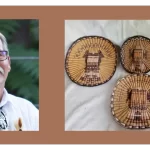
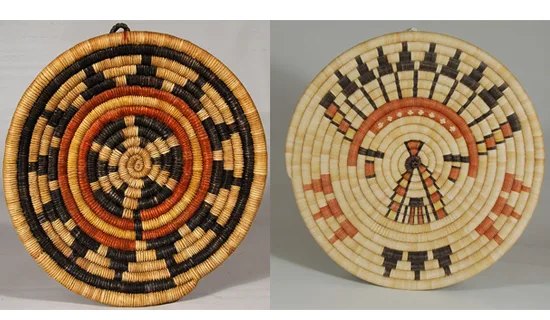
Basketry on Hopi lands follows traditions that pre-date current villages: coiled baskets made by wrapping bundles of plant material with fibers reflect techniques handed down from Hisatsinom and other ancestral peoples. NAU

Beyond utility (for grain sifting, storage, ceremony), basketry embodies symbolic meaning: patterns may represent connections to clan, land, or cosmology. Palms Trading

Textiles and blanket weaving, though less emphasized historically than pottery or basketry in Hopi art narratives, also appear and reflect adaptation in an evolving art economy.

Kachina (Katsina) Dolls & Carving

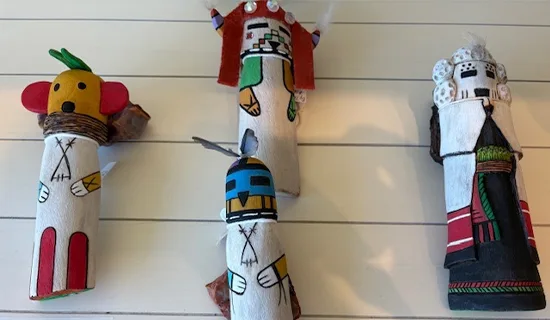
Kachinas (or katsinam) are spirit beings in Hopi cosmology—nature spirits, ancestral spirits, or metaphysical forces charged with rain, growth, vitality, purification. Wikipedia

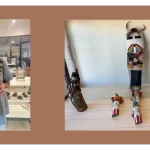
Kachina dolls are carved (typically from cottonwood root) to serve educational, ceremonial and aesthetic functions: historically these dolls are given to children or newly married women to teach about the katsina spirits, their function, appearance and meaning. Wikipedia

Carving styles differ depending on village, family, and carver; each doll is a unique expression of cultural knowledge and artistic skill. Some are made strictly for ceremony (not for sale) and others are made for trade. MusNaz+1

Visitor/collector note: Respect traditions—recognize which pieces are intended for sale versus those reserved for ritual use; proper attribution and provenance matter.

Jewelry, Silversmithing & Metalwork

While Hopi art has long included metalwork, silversmithing emerged more strongly in the 20th century as artists combined sterling silver with Hopi motifs, overlay techniques and stone inlay. Palms Trading

For example, artist Phillip Sekaquaptewa (1948–2003) innovated Hopi silver overlay by incorporating semi-precious stones and shell, adapting traditional pottery motifs into contemporary jewelry forms. Wikipedia

Jewelry is a significant channel of Hopi artistic economy and a way for younger generations of Hopi to sustain tradition within a changing marketplace.

Contemporary Art & Hybrid Media

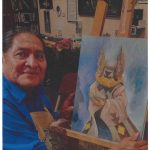
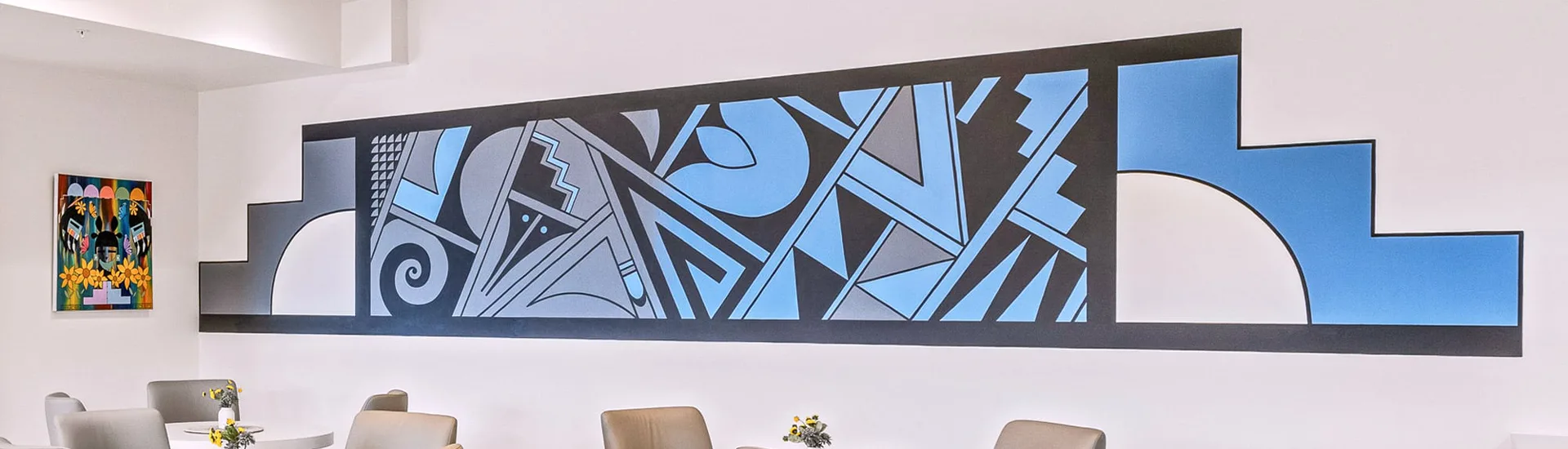
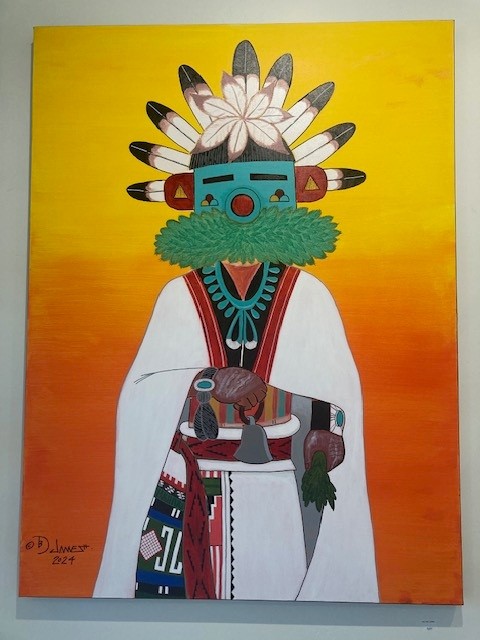
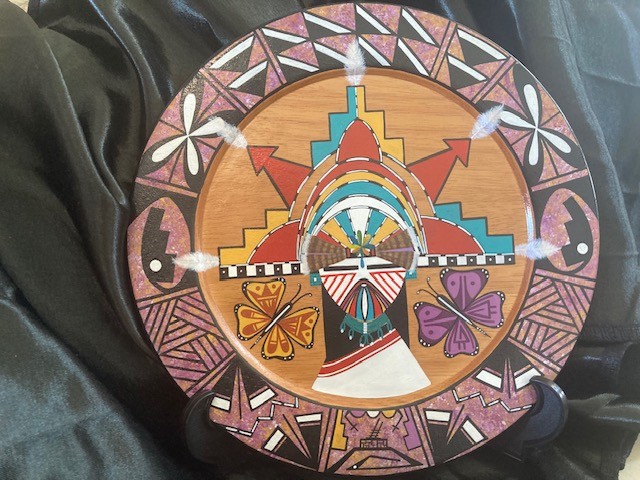
The tradition-versus-tourist dichotomy is changing: many Hopi artists are actively combining ancestral practices with new media (painting, glass, mixed upcycling) while still maintaining cultural integrity. Timothy S. Y. Lam Museum of Anthropology+1

The gallery can spotlight such works to show that “Hopi art” is not static or purely historical, but a living, evolving form of expression.

Why It Matters

With many Indigenous traditions under threat from globalization, shifting demographics and economic pressures, Hopi artists play a critical role in preserving and evolving their culture.
By engaging with Hopi art:

  • The gallery fosters cultural literacy—not just “look at pretty things” but “understand lives, practices, and perspectives”.
  • Visitors leave with more than aesthetic appreciation; they gain insight into how art, spirituality and community interweave.
  • Collectors and supporters can contribute to ensuring that Hopi art remains a sustainable livelihood for Hopi makers, rather than a commodified relic.

VisitGallery

Visitor Information

Gallery Hours

Open daily, 11:00 AM – 4:00 PM

Environment

Quiet space with multiple work of art by varied artists

Access

Open to the public and free for all hotel guests

Photography

We ask that photos not be taken of the pieces, unless purchased